
Mozarthaus Vienna
The only Vienna flat Mozart lived in that is still standing
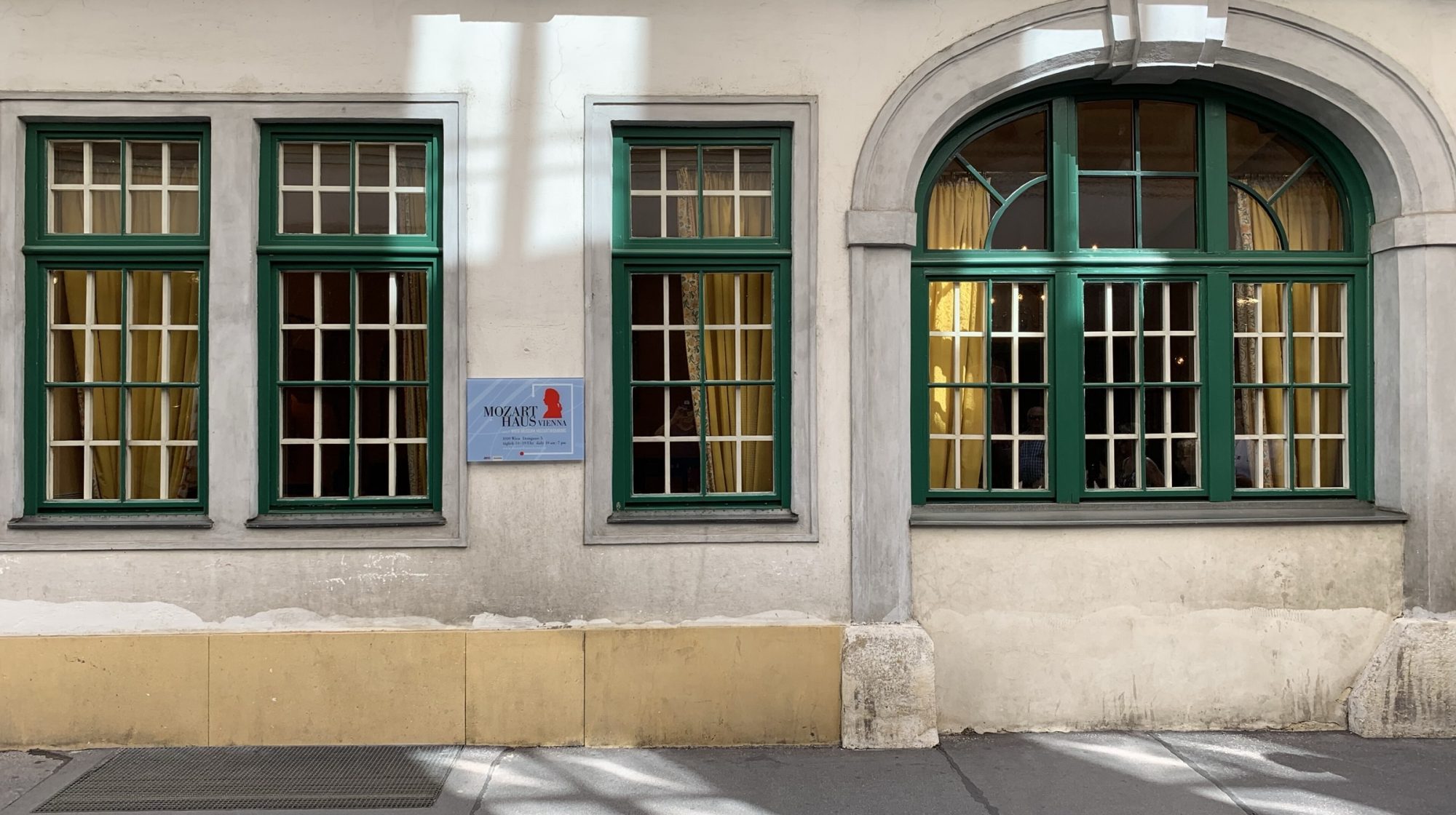
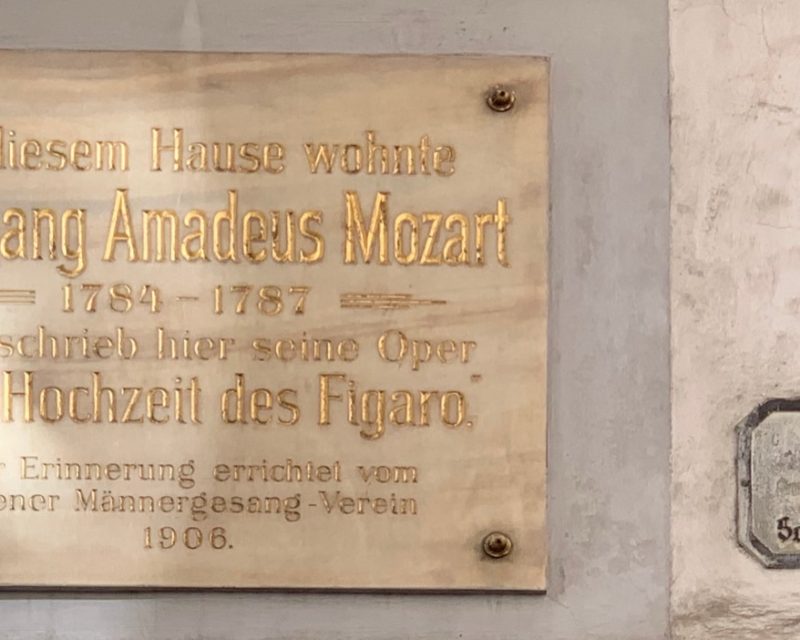
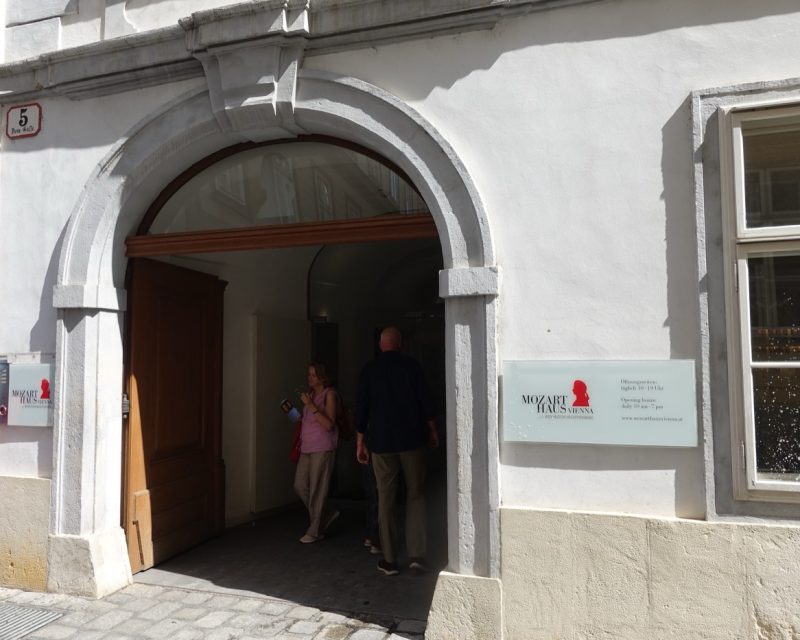
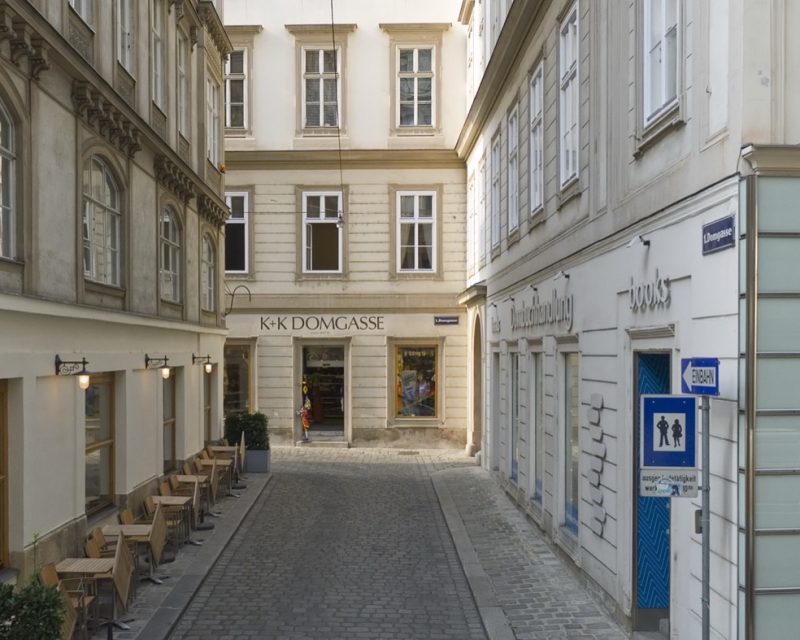
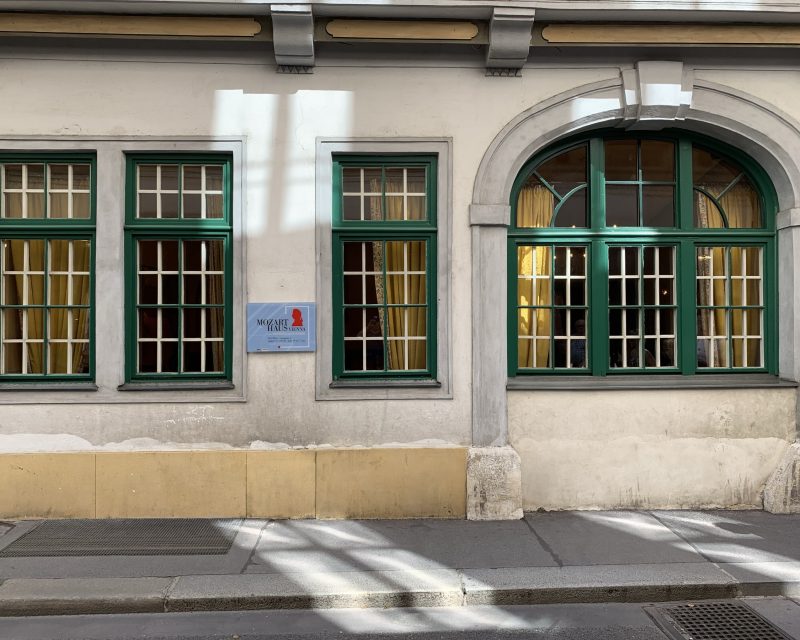
Turn out of the crowd on Stephansplatz into Domgasse, and ninety seconds later you are in front of the door Mozart used. He rented the first-floor apartment at Domgasse 5 from September 1784 to April 1787 — four rooms, two cabinets and a kitchen — and it was the largest and most expensive home of his life. Of the dozen or so addresses he had in Vienna, this is the only one that survives.
The apartment
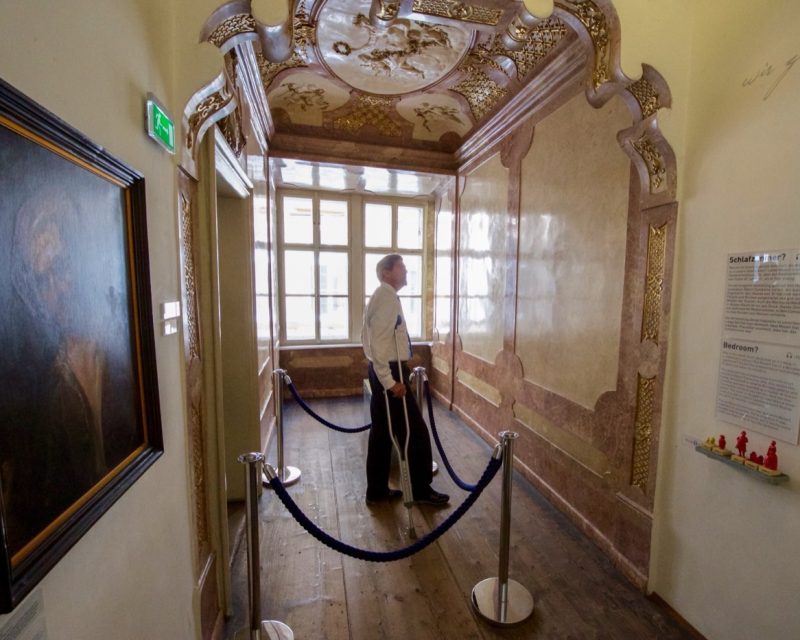
Begin on the first floor, in the flat itself. It is not dressed up as a period reconstruction, and it is better for that: the rooms are largely empty, the proportions and the light are Mozart’s, and you move through them in the order he did. This is where he wrote Le nozze di Figaro in 1786, which is why Vienna still calls the building the Figarohaus, and where Haydn came to play quartets with him. Two objects hold their own in the emptiness — a flute clock from around 1790 that still plays his Andante for a mechanical organ, and a fortepiano built in 1972 by the methods and materials of his own decade.
The floors above
The second floor is about the music: Figaro and Don Giovanni, his work with the librettist Lorenzo da Ponte, and Figaro Parallelo, a wall of screens showing how conductors and directors keep re-reading the same score. The third floor is about the city — his patrons and rivals, the balls and the gambling, the Freemasons’ lodge he joined, and the political weather of Josephine Vienna. Take the lift to the top and work down; the museum is built to be read that way.
How long to give it
An hour to ninety minutes is about right. The audio guide is included and runs in thirteen languages, with a separate version written for children. Because the house stands directly behind St Stephen’s Cathedral, it pairs neatly with the cathedral in one morning — and unlike the palaces, it is small enough that giving it a wet afternoon costs you nothing.
Highlights
- Mozart’s own first-floor apartment — four rooms and two cabinets, his only surviving Vienna home
- The rooms in which he composed Le nozze di Figaro in 1786
- A flute clock from around 1790 that still plays his music
- A fortepiano built to late-eighteenth-century methods and materials
- Figaro Parallelo, a multi-screen look at how his operas are staged today
Good to know
- Open daily 10:00–19:00, last admission 18:30
- The audio guide is included in the ticket — 13 languages, plus a version for children
- Photography is not permitted in the exhibition rooms
- The building is fully accessible; assistance dogs are welcome, other animals are not
- Two minutes on foot from Stephansplatz (U1, U3), directly behind the cathedral
Visitor information
- Opening hoursDaily 10:00–19:00 · last admission 18:30
- Typical visit1–1.5 hours
- LocationDomgasse 5, 1010 Vienna · 1st · Innere Stadt
- Getting thereU1/U3 Stephansplatz, 2 minutes on foot; buses 1A, 2A and 3A
Did you know?
Photographs
Booking conditions
Timed entry: your ticket is valid for the date and time slot you choose at checkout. Arrive a few minutes early; most attractions stop admitting visitors 30–60 minutes before closing. Tickets are non-refundable, non-changeable and non-transferable once confirmed, in line with each attraction’s own conditions. The price shown on the page is the total price — nothing is added at checkout. If anything is wrong with your order, email us and we will sort it out.
.jpg)